

By Paul Chameli, Managing Director
Most business owners care more about people than the terms of M&A transactions. While valuation and indemnification terms often top the list of transaction priorities, many middle market business owners also prioritize protecting their workforce and company culture during a sale. Sellers naturally want to ensure that loyal employees – who many Sellers view as family – can continue with the company post-closing. Buyers also have an interest in retaining employees and culture to ensure continued business success after the transaction. In a competitive labor market, retaining both workers and the culture they value is crucial for sellers, post-close operations, and the overall success of the transaction. Given the importance to transaction success and post-closing operations, Sellers should address these issues early in the process. The following are some key strategies that a Seller can consider to help preserve employees and company culture through a sale.
Align Expectations Up Front
Because deal economics and terms are the primary focus of the parties when trying to achieve a closing, employee and culture retention is often overlooked. A best practice to help ensure that employee and culture retention is assured, Sellers should request that prospective buyers document early in the process – ideally in the Indication of Interest (“IOI”) – their integration plans, including post-transaction plans for facilities and workforce. If a buyer’s integration vision is unclear, it may indicate potential disruption. Ownership should also be prepared to ask all suitors directly about their plans for the workforce and culture during management meetings. Buyers who value these elements will address seller concerns about preserving what has been built.
Prepare the Management Team
Sellers should prepare their management teams for change, as some degree of organizational adjustment is typical after a sale. Because qualified buyers will seek to optimize their investment through operational improvement, talent enhancement, organizational rigor, enhanced financial management, and greater professionalism of the Company, including the management team in the buyer evaluation process and educating them on how performance improvement can benefit everyone will help the culture “flex” with the positive contributions brought by a new buyer. Aligning management’s interests with the buyer’s—often through transaction bonuses contingent on post-sale employment agreements and equity investment—is another best practice to ensure continuity and enthusiasm for the new ownership’s vision.
Evaluate Buyer Motivations
A seller can reasonably anticipate potential disruption to the employee base and culture through analysis of several buyer attributes, including operational overlap, regional presence, product alignment, management depth, and buyer type to anticipate potential impacts on workforce and culture. Strategic buyers with similar operations may be more likely to make changes to the fabric of the Company. Financial investors, who typically want to preserve what made the company attractive unless improvements are needed, are more likely to avoid major changes to workforce and culture that could jeopardize their eventual exit.
Contractual Protections
While it’s unreasonable for sellers to control post-closing decisions, certain contractual provisions can help safeguard the workforce and culture. Seller rollover equity and Board participation in deals with financial investors are a tool for Sellers to use to influence the post-closing operation of the Company. Long-term leases for seller-owned facilities can also help prevent disruptive actions like facility closures. Seller insistence upon employment agreements with key employees and equity incentive plans are another tool to help ensure employee and culture retention. In some competitive or highly motivated situations, sellers may negotiate covenants into purchase agreements to restrict certain post-closing changes, though these are rare and must be balanced against the buyer’s need to manage the company.
Post-Closing
After the sale, buyers should visit the company and introduce themselves to employees—ideally in a Town Hall format with the seller present. These meetings, focused on growth opportunities and operational continuity, help alleviate employee concerns and foster trust. Small gestures, like serving lunch and passing out small gifts can enhance the atmosphere and reinforce goodwill.
Although risks to workforce and culture exist, EdgePoint’s experience over more than 200 transactions proves that significant disruptions to the employee base and culture are uncommon. In our experience, significant changes in the workforce and the culture only occur when needed – such as with non-core or underperforming assets. Most buyers value what made the company successful and seek to build on those strengths rather than disrupt them. Contemporary acquirers focus on realizing synergies—particularly in business development—without undermining the organization’s core fabric.
© Copyright by Paul Chameli, Managing Director, EdgePoint Capital, merger & acquisition advisors. All rights reserved. Paul can be reached at 216-342-5854.

By John Herubin, Managing Director – Business Development
Selling a healthcare practice is a unique proposition from selling other types of businesses. Between regulatory complexity, reimbursement models, patient continuity, and staffing challenges, there are many moving parts. Often the main healthcare provider or team of providers consider their employees like family members, which can also add another layer of complexity and consideration. Yet, when planned properly, a sale can be a major value event—both financially and personally—for the owner as well as creating a rewarding future work environment for their employees.
The key is time. Ideally, healthcare business owners should begin preparing two to three years before they plan to sell. That window allows time to improve operations, strengthen financials, address compliance gaps, and present a clean, organized business that commands top market value.
Here’s a step-by-step guide to developing a well-planned exit strategy that can apply to a healthcare business.
Clarify Your Goals
The first step in exit planning is not about numbers—it’s about intent. Ask yourself:
Clear answers to these questions shape the entire exit process. For instance, a physician who wants to stay employed post-transaction will structure a different type of deal than one who wants to step away entirely.
Get a Preliminary Valuation
Before making changes, it’s crucial to understand your starting point.
A professional valuation—done by an experienced M&A advisor or healthcare valuation specialist—provides an estimate of what your business is worth today and identifies what drives or detracts from value.
Valuations in healthcare are typically based on:
This process helps you see what buyers will value most—often consistency of revenue, payer mix, and scalability—and what improvements could boost your sale price.
Strengthen Financial Reporting
Buyers want to see clean, transparent, and well-organized financials. If your books aren’t clear, it raises red flags and can hurt valuation or delay closing.
In the two to three years leading up to a sale:
Many healthcare owners run legitimate personal or discretionary expenses through the business—common in private practices—but these must be normalized and documented clearly during a sale process.
Assess and Improve Operations
Operational readiness is just as important as financial performance. Buyers are drawn to businesses that are organized, scalable, and less dependent on the owner.
Key areas to review:
By tightening operations early, you make the business more “plug-and-play” for an acquirer.
Address Legal and Compliance Risks
Regulatory compliance is a major area of diligence in healthcare M&A. Buyers will dig deeply into compliance history, billing practices, and licensing.
Before going to market:
Proactively fixing compliance issues protects deal value and prevents buyers from using these as negotiation leverage later.
Diversify and De-Risk Your Revenue
A healthy payer mix, and diversified referral base are attractive to buyers. Heavy dependence on one referral source, physician, or payer can reduce value because it adds risk.
If possible:
Buyers will pay more for a business that’s predictable and not overly reliant on a few key relationships.
Plan for Tax Efficiency
Taxes can dramatically impact your net proceeds. The earlier you plan, the more strategies are available—whether through entity restructuring, asset allocation planning, or retirement contribution optimization.
Work with your CPA and M&A advisor to:
Tax planning done a year before a sale is often too late—starting two or more years out allows time for optimization.
Engage the Right Advisors
Selling a healthcare business is a specialized process. Surround yourself with advisors who understand the sector:
Early engagement ensures your advisors can guide pre-sale improvements rather than reacting under pressure later.
Build a Story for Buyers
Beyond the numbers, buyers want to understand the growth story—why your business is well-positioned for the future. This narrative should highlight:
When you can clearly articulate this story, it helps justify a higher valuation and inspires buyer confidence.
Preparing to sell a healthcare business isn’t just a financial exercise—it’s a strategic process that takes time and intention. By starting two to three years early, you give yourself the runway to refine operations, document performance, and resolve any issues long before a buyer conducts due diligence.
The result? A smoother process, stronger negotiating position, and a higher sale value—all while ensuring your patients, staff, and legacy continue to thrive long after the transaction closes.
This playbook worked successfully with one of our clients who operated a multi-location behavioral health practice but was very dependent on the efforts of the two owners. They had identified several key management employees they wanted to elevate to increase management depth. We determined in consultation with the client that spending the estimated one-year to integrate these key management people and implementing all the steps outlined above, resulted in creating a significantly higher value than what we estimated at the time of our original discussions. We’re certain this outstanding result was the result of the above preparation efforts undertaken to prepare for the sale.
EdgePoint specializes in guiding healthcare business owners through this journey—from early planning and valuation to buyer selection and transaction execution. Contact us for a confidential conversation.
© Copyright by John Herubin, Managing Director, EdgePoint Capital, merger & acquisition advisors. All rights reserved. John can be reached at 216-342-5865 or on the web at www.edgepoint.com

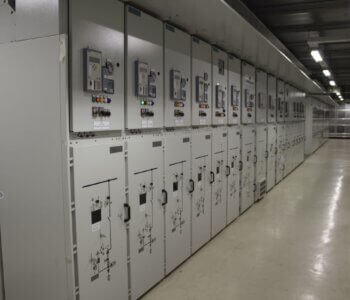
October 24, 2025 — EdgePoint is pleased to announce that it served as the exclusive financial advisor to Powercon Corporation in it’s sale to Electro-Mechanical, LLC, a portfolio company of Oaktree. Financial terms of the transaction were not disclosed.
Established in 1959 and based in Severn, Maryland, Powercon Corporation (www.powerconcorp.com) specializes in the engineering and production of medium voltage metal-clad and metal-enclosed switchgear, as well as fully integrated power distribution centers. Their offerings also include load-break switches, high-resistance grounding systems, and circuit breaker racking systems. Powercon delivers solutions to customers in the utility, data center, and industrial sectors throughout North America, with a strong emphasis on safety, dependability, and technical expertise.
“The partnership with Electro-Mechanical brings invaluable resources to support our long-term growth strategy while continuing Powercon’s proud legacy of delivering high-quality solutions and services to our customers.” said Mike Hattan, General Manager of Powercon Corporation. “Electro-Mechanical shares our commitment to service, safety, and quality, and we are excited to be able to offer expanded capabilities to serve our customers.”
Matt Keefe, EdgePoint Managing Director, said of this transaction “We are thrilled with the EMC and Powercon transaction. The timing of this combination could not be better for both organizations – and the industry. This merger stands as another example of EdgePoint’s commitment to delivering innovative, strategic solutions and exceptional outcomes for our clients. We are confident the newly combined entity will unlock significant opportunities and generate tremendous value for all stakeholders.”
Established in 1958 and based in Bristol, Virginia, Electro-Mechanical, LLC (www.electro-mechanical.com) employs more than 700 people and stands among the largest privately owned producers of medium voltage switchgear and power distribution equipment in the United States. The company markets its products under notable brands such as Federal Pacific, Line Power, Mirus International, GridConnex, and Coordinated Designs & Controls. Electro-Mechanical is widely respected nationwide for delivering top-tier power distribution solutions, exceptional technical expertise, and outstanding customer service. Operating out of six manufacturing locations, the firm boasts almost one million square feet of advanced manufacturing space across the U.S., Canada, and Mexico.
The acquisition further strengthens Electro-Mechanical’s capabilities in medium voltage switchgear and integrated systems for utility, data center, and critical infrastructure applications. Electro- Mechanical is committed to providing Powercon with investment, resources, and support to enhance capacity to serve customers and deliver long-term growth, while maintaining the company’s culture that has been central to its success.
EdgePoint (www.edgepoint.com) is a leading boutique investment banking firm focused on providing middle market business owners with merger and acquisition advisory services.